Packaging: Tips and Tricks

Packaging: Tips and Tricks

Guest Post by: Cori

Packaging is a key essential in promoting your product and making it stand out next to your competitors. When your product is on the shelf, what does it say about your company and the product you are selling? Here are a few key factors in choosing your packaging and how it can make you more successful.


Branding

Who are you, and what are you selling? What about your packaging makes it stand out compared to your competitors? Use your packaging to get your name out there, using images of your product and examples of why someone should invest in it is a key essential to selling your product.

 Quality

The quality of your packaging says a lot about your company and the product you are selling. On average 10-40% of manufacturing cost go into packaging.  It is essential to make sure your packaging holds up and protects the product inside.

Product Differentiation

Create unique packaging, something fun and exciting that catches the attention of the consumer and draws them to your product instead of the competitors. Consumers want to know why your product is different, how it is better and why they should choose you.

Information

Use your packaging to tell consumers what your product is, and how it was made. Is it made in the USA, is it more economical than others, is it safe for you and the earth? Can it be recycled, or reused? These are all important reasons why someone might want to buy it, use your packaging to draw the consumers’ attention to these important reasons as to why your product is better.

Physical & Emotional Appeal

Give your packaging some personality, find a way to connect to consumers through your packaging.  Bright colors, legible fonts and even textures are all great ways to give someone a reason to pick your product up off the shelf. Once they are interested in the packaging, you are halfway there to them being interested in the product inside.

Sustainability

Rather you are selling your product in stores or shipping it to the consumer, it is very important to make sure it is well packaged and will withstand the handling. Just as it is important to use the outside of the packaging to draw attention, it is just as important to make sure the product inside is protected. To ensure your product arrives safely and intact, make sure to use a well-fit sustainable package filler to mold your product and hold it in place. Make sure you use a thick enough material that protects the product but is also easy and user friendly to remove. Using recyclable material makes it easier on the consumer and better for the environment.

Production

Mass production is usually the best way to go to get a better unit cost. The more you print the less each piece’s cost to produce. This is true in most cases unless you are packaging an item that requires certain compliance and safety regulations, these often change, especially for food and cosmetics. If you print this information directly to the packaging, you may find yourself having to waste the packaging due to a reprint. There is a simple solution, print generic packaging for information that won’t change, and use labels to provide more fluid information such as product ingredients, warnings, and expiration dates. Although labels and the cost to apply may increase your production costs and time, this will save you money in the long run.

Testing

How do you know if your packaging will hold up? Before shipping your product to the consumer or retailer, conduct some tests. Ship yourself a package using your local freight company, store your package in a hot, cold or frozen environment to make sure the packaging doesn’t deteriorate.

If you are shipping to a retailer, visit the stores, conduct a survey of the product to make sure it stands out on the shelf and consumers are showing interest.

If you are shipping your product, add a comment card or a QR code where your customers can visit and provide feedback with information and images of the product they received. Asking someone’s opinion of your product shows you care and want to improve if needed.


Packaging says a lot about your product and brand, is a key element in promoting your products. Looking for ideas to get started? Contact us today!



​​

The Power of Company Stores

The Power of Company Stores

​

Streamlining Inventory Management and Elevating Brand Consistency

In today's competitive market, maintaining brand consistency and efficient inventory management are paramount for businesses striving to stand out. For print companies like ours, facilitating these aspects through company stores proves to be a game-changer. Company stores are indispensable for ensuring seamless operations, empowering employees, and reinforcing brand identity.


Centralized Inventory Management

Imagine the chaos of scattered inventory across various locations, resulting in delays, miscommunication, and ultimately, dissatisfied clients. Company stores offer a centralized platform where employees can access a curated selection of branded materials, from stationery to promotional items, all in one place. This not only simplifies inventory management but also enables real-time tracking of stock levels, ensuring timely replenishment and minimizing stockouts. The best part? We manage it all for you!

Enhanced Brand Consistency

Consistency is key in building a strong brand presence. With company stores, businesses can uphold uniformity in branding elements, such as logos, colors, and messaging, across all printed materials. By providing pre-approved templates and design guidelines, employees can effortlessly create on-brand collateral tailored to their specific needs, eliminating the risk of inconsistent branding that could dilute the company's image.

Ease of Access and Ordering for Employees

Empowering employees with easy access to branded materials fosters a sense of ownership and alignment with the company's values. Company stores serve as a convenient one-stop-shop where employees can browse, customize, and order the materials they need, whether it's business cards for a new hire or branded merchandise for an upcoming event. With intuitive ordering processes and quick turnaround times, employees can focus on their core responsibilities without the hassle of navigating complex procurement procedures.

Cost- Efficiency and Control

Beyond streamlining operations, company stores offer cost-saving benefits through bulk ordering and centralized procurement. By negotiating favorable rates with suppliers and leveraging economies of scale, Cascade Print Media can help your business optimize your spending while maintaining quality standards. Moreover, implementing approval workflows and spending limits within the company store platform enables tighter control over expenses, preventing unauthorized purchases and budget overruns.

Data-Driven Insights

In the digital age, data is king. Company stores provide valuable insights into purchasing patterns, popular items, and user behavior, enabling businesses to make informed decisions and refine their marketing strategies. By analyzing these metrics, companies can identify emerging trends, anticipate demand, and tailor their offerings to meet evolving customer preferences, ultimately driving growth and innovation.


In a dynamic business landscape where every interaction shapes brand perception, the importance of company stores cannot be overstated. By streamlining inventory management, ensuring brand consistency, and providing employees with easy access to branded materials, company stores empower businesses to make a lasting impression and stay ahead of the curve. As pioneers in the print industry, we recognize the transformative impact of company stores and remain committed to helping our clients unlock their full potential through tailored solutions that drive success.


At Cascade Print Media, we're not just printing materials; we're empowering businesses to thrive in a world where every detail matters. Contact us to elevate your brand and streamline your operations with our comprehensive company store solutions.


Increased Client Communication

Increased Client Communication

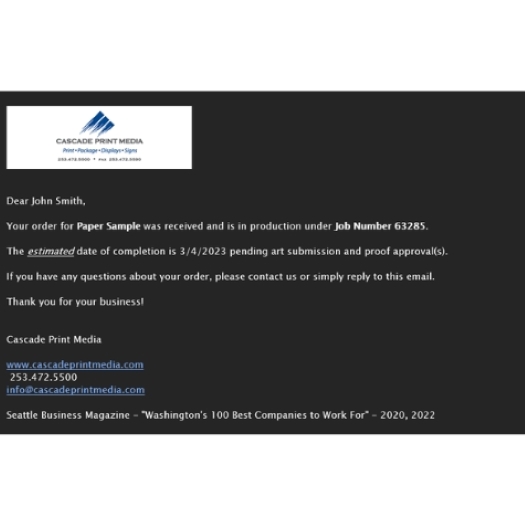
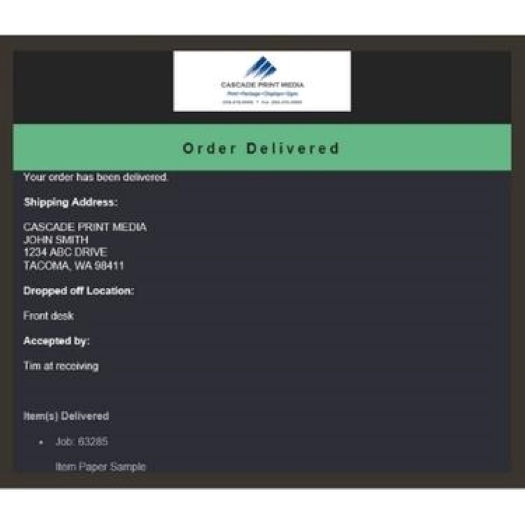
We are so excited to be able to offer increased, real time communication with our clients. Everything from when your order goes into production queue, to when it goes out for delivery, to the moment it gets delivered, we have enhanced our systems to give you updates about your job, down to the minute.


You will receive an email notifying you that your job went into our production queue, with an estimated date of completion. While this can sometimes get delayed with art submission and proof approvals, it helps you plan on when you can expect your projects.

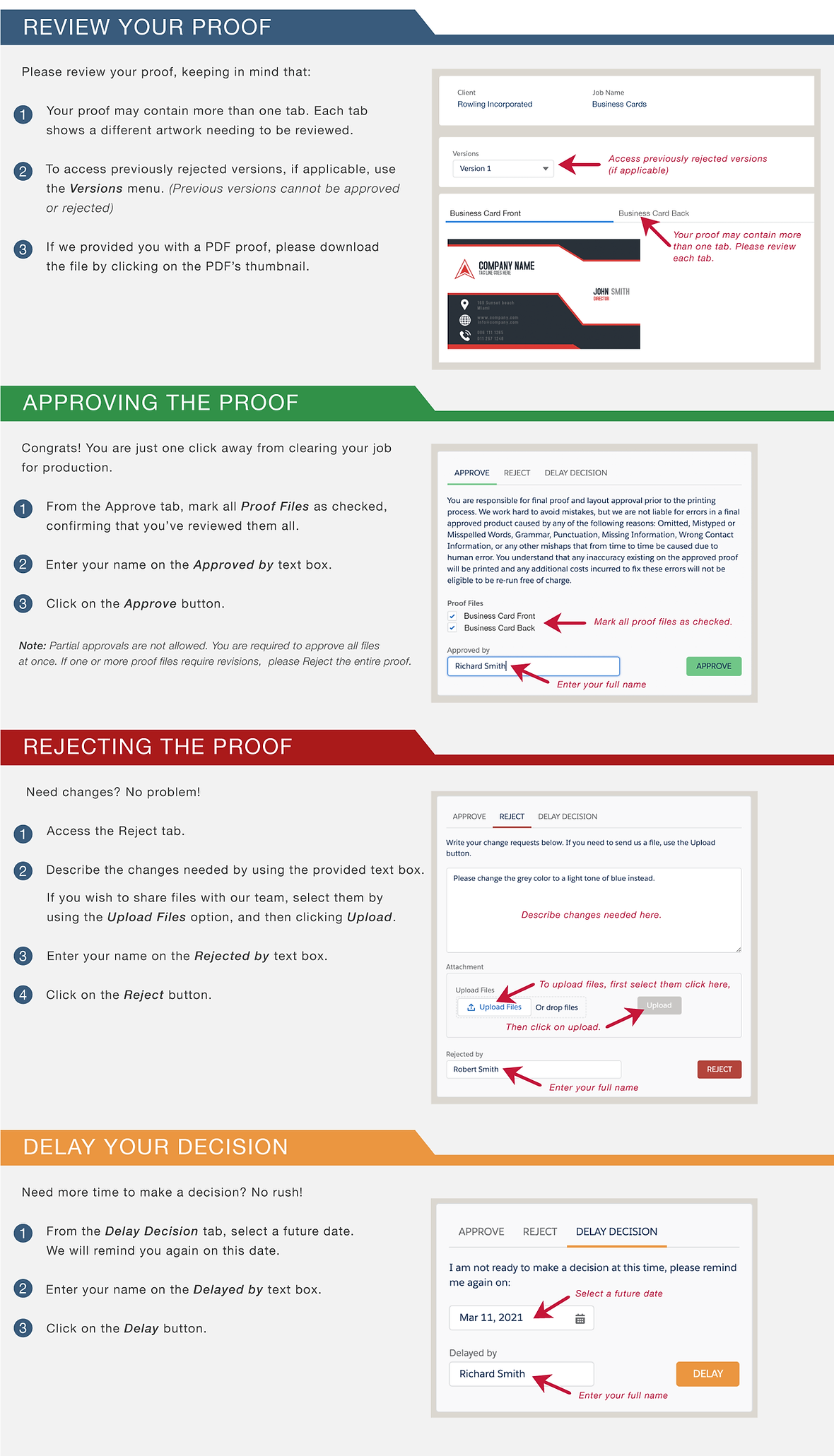
diagram of proofing options

You will receive an email notifying you that your job is out for delivery and when it gets delivered. Not only is this feature available for our trusted shipping partners, but also with our local delivery team. It even allows us to attach a photo of where the package(s) were dropped so you know exactly where to find it!

diagram of proofing options

How to Use Our Proofing System

How to Use Our Proofing System

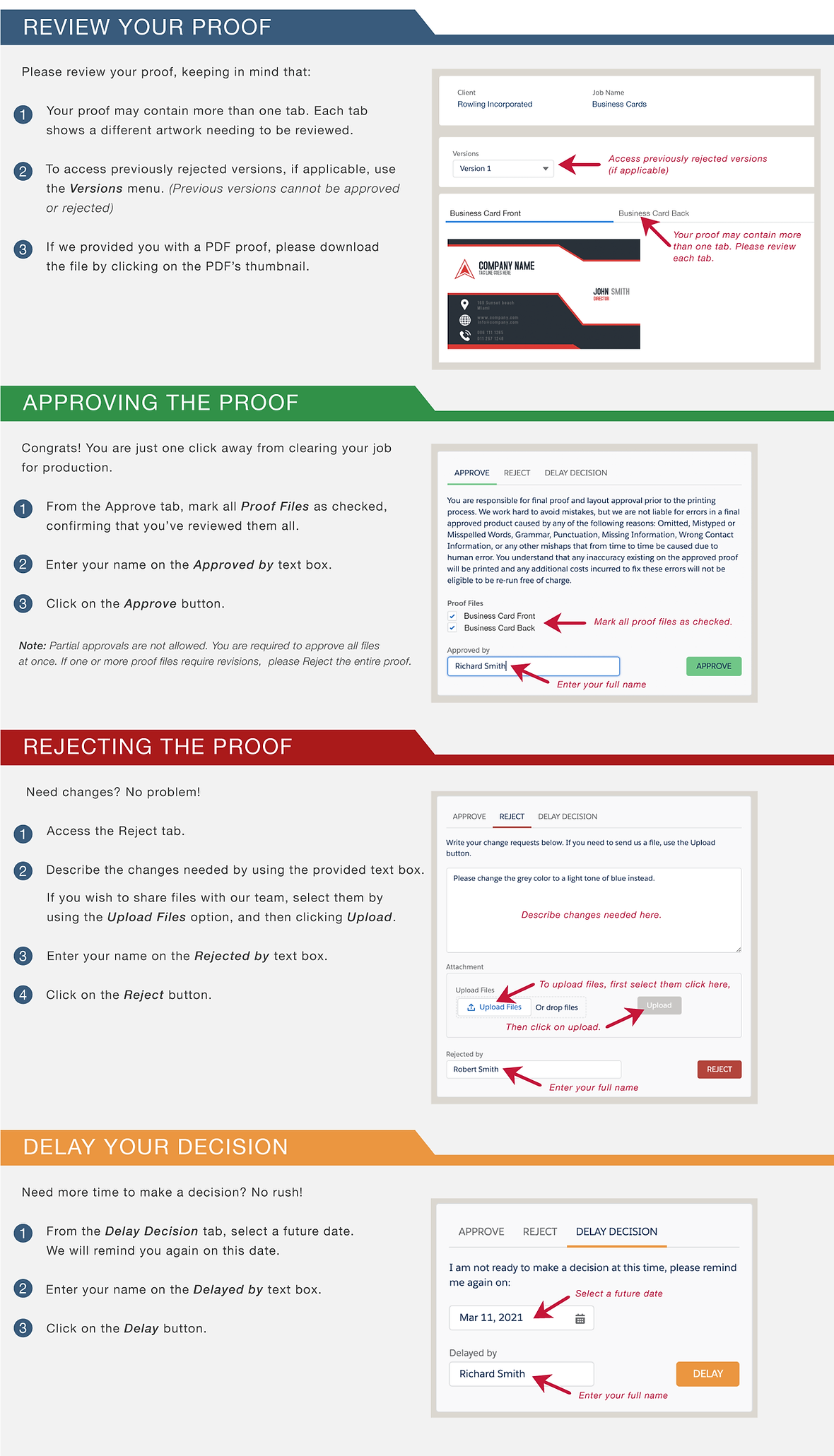
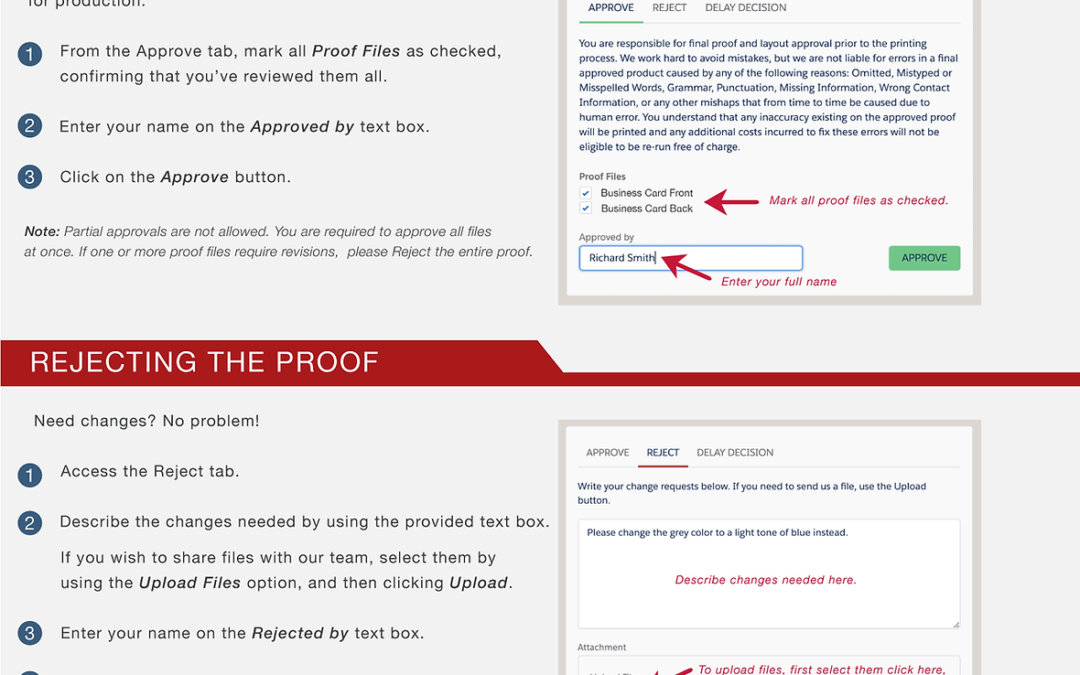
Please see our quick guide below on how to use our new proofing system. If you have any questions, do not hesitate to reach out to your CSR. 

Please note that if not action is taken, you will continue to get email reminders until action is taken. You must approve, reject or delay your proof to stop the reminders. 


diagram of proofing options
**Please note this quick guide was provided to us by our partner, PlanProphet, in order to help our clients better navigate the proofing process

Different Ways to Bind Booklets

Different Ways to Bind Booklets


Looking to make a handbook, workbook, and other marketing piece to help show your customers all your products? Binding helps to make larger presentations or other large pieces of information look professional, clean and organized. There are several different binding options – the biggest factors to influence this are usually the use, budget and look you want to go for. See our list below of different binding options to see what the best fit for your project might be.


Saddle Stitch:

Saddle stitch works very well for smaller page booklets and is usually your most economical option. These types of projects usually have the fastest turnaround time as well. A saddle stitched book can be as few as 8 pages, and then increases in 4-page increments. Saddle stitched books will lay flat when opened and flipping through the pages. Most examples you see of saddle stitch in daily life are school workbooks, weekly magazines, or grocery flyers and often times calendars.


Perfect Bound:

Usually, the most popular and luxurious of binding options. They are durable, high quality and ideal for publications with higher page counts. You can start with anything from 28 pages, and added in page increments of 2, up to 2 inches thick with pages (paper type often varies with thickness). If the spine is thick enough, many people put designs on the spines to further attract customers. The most common examples of these are soft cover books and some luxury magazines.


Spiral Bound:

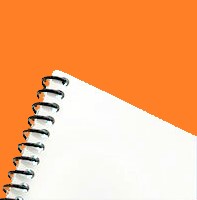
Plastic coil that is typical seen in reference material or workbooks. The nice thing about spiral bound is you can usually choose from different spiral coil colors, and it works great for any sized booklets. Usually there is a fairly quick turnaround time on spiral bound books as well. You can have any size page count and usually stops around 2 inches in thickness (again, paper type varies in thickness). Most examples of these books are some handbooks or company manuals.


Wire-O:

Very similar to spiral binding, only metal wires and looped, giving it another dimension. This type of binding can start with any page count, and go up to about 1.25 inches thick usually, depending on paper type. This often costs a bit more than spiral bound books but does look more professional and lavish than spiral bound books.


Still have some questions about your binding options? We can help! Contact us today, we would be happy to talk to you about different options and best uses!


example of wire o binding

example of wire o binding

example of coil binding

example of spiral binding

example of perfect binding

example of perfect binding

example of saddle stich

example of saddle stich

Embossing vs. Debossing

Embossing vs. Debossing

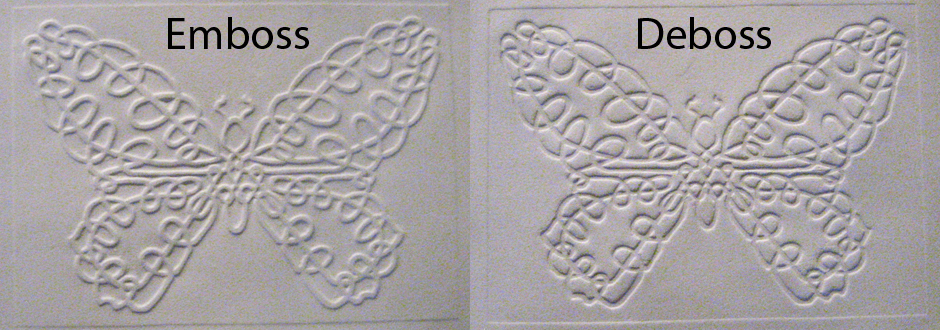
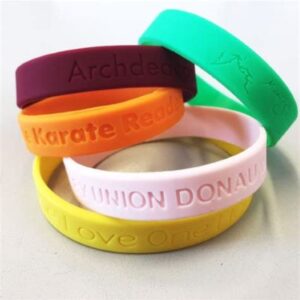
What is the different between embossing and debossing? They are basically the same thing, just stamped paper, but the difference is in the location from where it is stamped. Both are created using metal plates to essentially stamp the paper. Debossing means the paper is stamped on the front, making the image, text or graphic indent and make a depression down, or away from the front. Embossing is taking a metal plate and being stamped from the back back of the text, image or graphic. This raises or elevates the graphics.

Both embossing and debossing a great way to create a 3D effect and enhance certain texts or simple graphics that you want to highlight on your project. To further increase effect, many people add colored ink or foil stamping to certain words and images, as well as various depths of the embossing or debossing. This is a great way to make certain things stand out.

You usually see embossing and debossing on business cards, invitations (especially to weddings and other formal events) and sometimes on letterhead and greeting cards, among other marketing material. These help to add a feel and look of luxury and add a special touch to help you stand out, with very little expense.

Almost anything can be embossed or debossed, along with foil stamped. There are only a few restrictions such as paper type, certain graphics, and time allowed for completion.

Contact us today to learn more about embossing, debossing and foil stamping for your next project.

Example of Embossing

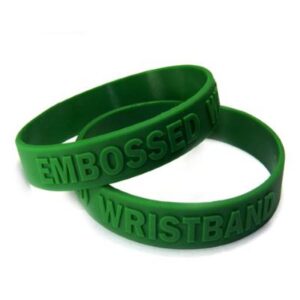
Embossed Bracelet

photo courtesy of wristbands.com.uk

Example of Debossing

Debossed Bracelet

photo courtesy of elito.com

Learn More