Print In Your Marketing Plan

Print In Your Marketing Plan

Creative Ways to Use Print in Your Marketing Plan

In today’s digital-first world, incorporating print into your marketing strategy is a powerful way to stand out. Tangible, eye-catching, and versatile, printed materials can leave a lasting impression on your audience. Here are some creative ideas to effectively use print in your marketing plan.

Stickers for Brand Awareness

Stickers are small but mighty tools for spreading brand recognition. They’re affordable, versatile, and loved by customers. Include your logo, a catchy slogan, or fun designs that align with your brand. Use them as giveaways, packaging seals, or incentives for social media shares.

Pro Tip: Create limited-edition sticker sets to drive excitement and engagement.

Calendars for Year-Round Visibility

Custom calendars ensure your brand stays front and center all year. Include important industry dates, your promotional events, or helpful tips relevant to your audience. Calendars are especially effective as corporate gifts or customer appreciation items.

Pro Tip: Add QR codes linking to your website or digital resources for a modern touch.

Promotional Products with Practicality

Branded notebooks, pens, water bottles, and tote bags are not just giveaways—they’re functional items that keep your brand in sight. Distribute them at trade shows, conferences, or community events.

Pro Tip: Choose high-quality products that reflect the value of your brand to create a positive association.

Branded Apparel for Walking Advertisements

T-shirts, hats, and hoodies with your logo or creative designs turn customers and employees into brand ambassadors. Branded apparel is perfect for giveaways, contests, or employee uniforms. Check out our post here about the power of promotional products

Pro Tip: Use bold designs that make people excited to wear your apparel beyond promotional events.

Banners and Signs for Event Marketing

Large banners and signs are essential for trade shows, community events, or storefront promotions. They grab attention and provide vital information at a glance.

Pro Tip: Use weather-resistant materials for outdoor events and keep your message clear and concise for maximum impact.

Postcards for Direct Marketing

Postcards are a cost-effective way to deliver targeted messages. Use them to announce events, highlight promotions, or share updates. Their compact size makes them easy for recipients to read and keep.

Pro Tip: Add an exclusive discount code or invitation to drive customer action. Ask us about our mailing discounts!

Direct Mail Campaigns for a Personal Touch

Despite the rise of digital marketing, direct mail remains one of the most effective ways to connect with customers. Personalize your mailings to make a stronger impact and ensure your brand stands out in a crowded mailbox.

Pro Tip: Combine direct mail with digital campaigns by including URLs or QR codes to track engagement.

Brochures for Detailed Information

Brochures are excellent for showcasing your products or services in detail. Use them at trade shows, in-store displays, or as inserts in mail campaigns. High-quality design and professional printing ensure they leave a lasting impression.

Pro Tip: Make your brochures interactive by including fold-out sections or augmented reality features.

Posters for High-Impact Messaging

Posters are perfect for promoting events, sales, or new product launches in high-traffic areas. Bold visuals and concise messaging make them an attention-grabbing medium for local or in-store marketing.

Pro Tip: Use double-sided posters to maximize exposure in glass windows or hanging displays.

Custom Packaging to Delight Customers

Turn your packaging into a marketing tool by incorporating custom designs. Branded boxes, tissue paper, and thank-you cards enhance the unboxing experience and foster brand loyalty.

Pro Tip: Include small print items like stickers or postcards in your packaging to surprise and delight customers.

Why Print Works in Marketing

Print materials create a tactile connection that digital marketing can’t replicate. They build trust, reinforce brand identity, and provide long-lasting visibility. By incorporating these ideas into your marketing plan, you can engage your audience in creative and impactful ways.

Ready to amplify your marketing efforts with print? Contact us today to bring these ideas to life!

​​

Digital vs. Offset Printing: What is the Difference?

Digital vs. Offset Printing: What is the Difference?

​

When it comes to printing, choosing the right method can make all the difference in quality, cost, and turnaround time. Two of the most common techniques—digital printing and offset printing—each have unique advantages and are suited to different types of projects. Here’s a breakdown to help you understand the key differences and decide which is best for your needs.

What Is Digital Printing?

Digital printing is a modern method where images are printed directly from a digital file to the substrate (paper, cardstock, etc.), similar to how a home or office printer works. It’s ideal for smaller runs and projects that require quick turnaround.

Advantages of Digital Printing:

  • Speed: Because there’s no need for setup like creating printing plates, digital printing is faster, making it perfect for tight deadlines.
  • Cost-Effective for Small Runs: Without setup costs, digital printing is more economical for small quantities.
  • Variable Data Printing: Digital printing allows for customization, such as personalizing each printed piece with unique names, addresses, or images.
  • On-Demand Printing: Projects can be printed in smaller batches, reducing waste and inventory costs.

What Is Offset Printing?

Offset printing is a traditional method that uses printing plates to transfer ink onto a rubber blanket and then onto the paper. It’s ideal for large runs and projects that demand the highest quality.

Advantages of Offset Printing:

  • Superior Quality: Offset printing delivers crisp, vibrant, and precise results, particularly for detailed designs and large areas of solid color.
  • Cost-Effective for Large Runs: While setup costs are higher, the per-unit cost decreases significantly with volume, making it a more economical option for large quantities.
  • Wide Range of Materials: Offset printing can handle a broader range of paper types, weights, and finishes, offering more creative options.
  • Color Accuracy: The use of Pantone colors and precise ink control ensures consistent, high-quality results.

Comparing Digital and Offset Printing

Feature Digital Printing Offset Printing
Setup Time Minimal Longer
Cost for Small Runs More affordable Higher due to setup costs
Cost for Large Runs More expensive per unit More cost-effective per unit
Turnaround Time Faster Slower due to setup and drying times
Customization Ideal for variable data and personalization Limited to fixed designs
Material Options Limited Wide variety
Print Quality Excellent for most needs, but less precise in details Exceptional, especially for complex designs


When to Choose Each Method

  • Digital Printing:
    • Short runs (usually under 500 copies)
    • Personalized or variable data projects
    • Tight deadlines
  • Offset Printing:
    • Large quantities (usually around 1,000+ copies)
    • Projects requiring Pantone color matching
    • High-end marketing materials, like brochures and catalogs


The Best of Both Worlds

Some projects might even combine both methods to maximize benefits. For example, offset printing could be used for the main run of a project, with digital printing handling customized components.

Whether you’re printing business cards, flyers, or a large-scale catalog, understanding the difference between digital and offset printing ensures your project gets the attention it deserves.

Have a printing project in mind? Contact us today to determine which method is right for you!


Different Ways to Bind Booklets

Different Ways to Bind Booklets


Looking to make a handbook, workbook, and other marketing piece to help show your customers all your products? Binding helps to make larger presentations or other large pieces of information look professional, clean and organized. There are several different binding options – the biggest factors to influence this are usually the use, budget and look you want to go for. See our list below of different binding options to see what the best fit for your project might be.


Saddle Stitch:

Saddle stitch works very well for smaller page booklets and is usually your most economical option. These types of projects usually have the fastest turnaround time as well. A saddle stitched book can be as few as 8 pages, and then increases in 4-page increments. Saddle stitched books will lay flat when opened and flipping through the pages. Most examples you see of saddle stitch in daily life are school workbooks, weekly magazines, or grocery flyers and often times calendars.


Perfect Bound:

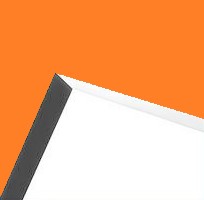
Usually, the most popular and luxurious of binding options. They are durable, high quality and ideal for publications with higher page counts. You can start with anything from 28 pages, and added in page increments of 2, up to 2 inches thick with pages (paper type often varies with thickness). If the spine is thick enough, many people put designs on the spines to further attract customers. The most common examples of these are soft cover books and some luxury magazines.


Spiral Bound:

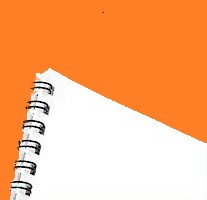
Plastic coil that is typical seen in reference material or workbooks. The nice thing about spiral bound is you can usually choose from different spiral coil colors, and it works great for any sized booklets. Usually there is a fairly quick turnaround time on spiral bound books as well. You can have any size page count and usually stops around 2 inches in thickness (again, paper type varies in thickness). Most examples of these books are some handbooks or company manuals.


Wire-O:

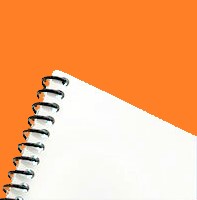
Very similar to spiral binding, only metal wires and looped, giving it another dimension. This type of binding can start with any page count, and go up to about 1.25 inches thick usually, depending on paper type. This often costs a bit more than spiral bound books but does look more professional and lavish than spiral bound books.


Still have some questions about your binding options? We can help! Contact us today, we would be happy to talk to you about different options and best uses!


example of wire o binding

example of wire o binding

example of coil binding

example of spiral binding

example of perfect binding

example of perfect binding

example of saddle stich

example of saddle stich